By Eric Carlyle, SDLT
•
July 1, 2026
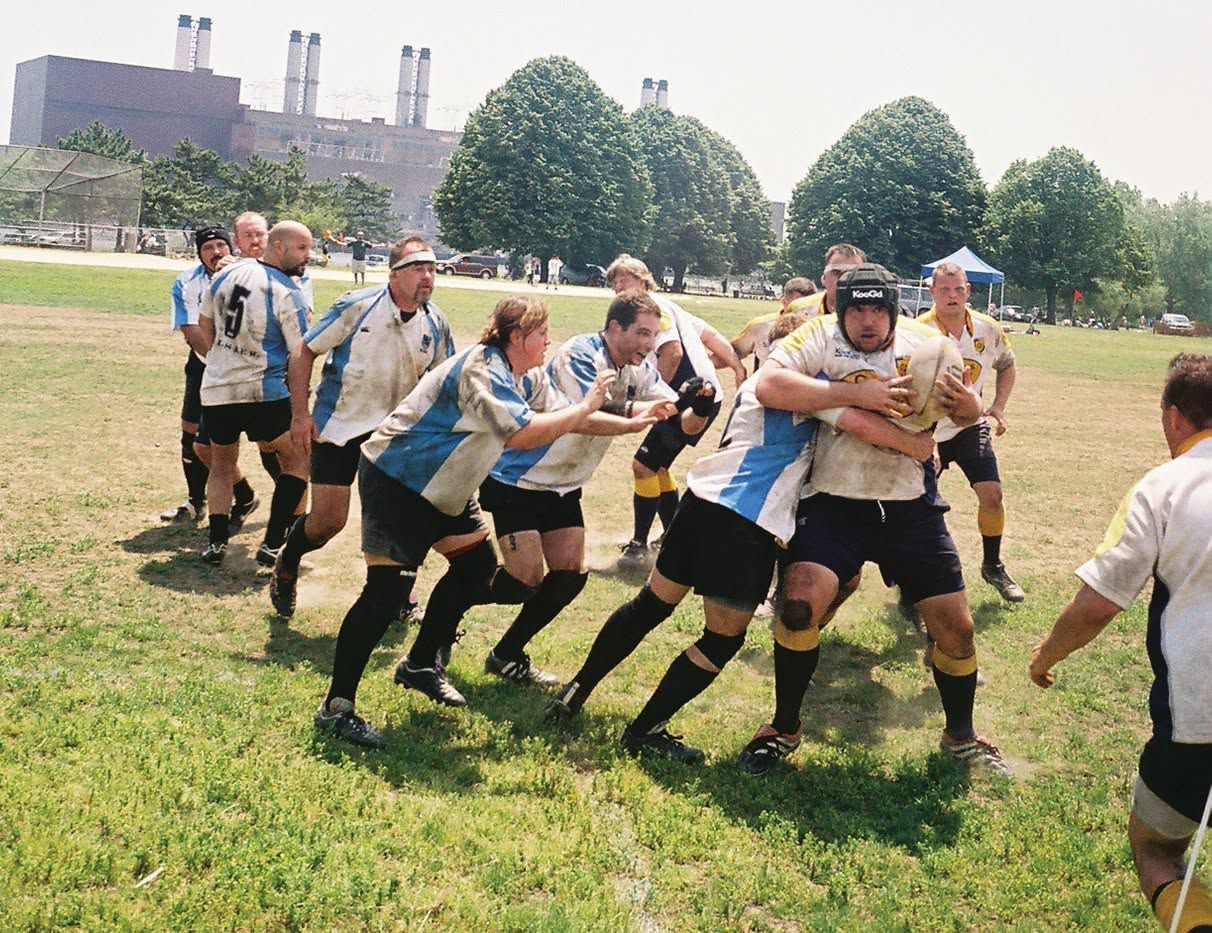
Every July, Disability Pride Month celebrates the history, achievements, and contributions of people with disabilities. It is a time to recognize that disability is a natural part of the human experience and to reaffirm that people with disabilities deserve to be seen, respected, included, and empowered. For much of my life, I never imagined I would write an article like this. When I first heard the phrase Disability Pride, I wasn’t sure it applied to me. I never thought about having pride in being disabled. In fact, I spent years trying to hide it. I live with progressive vision loss and a progressive nerve disease that affects my mobility, strength, balance, and perception. My disabilities aren’t always obvious. Most people don’t realize that I can’t lift my leg normally, have very little grip strength in my hands, struggle with balance, or that my eyesight continues to deteriorate. Like many people facing progressive disabilities, I focused on what I was losing instead of what was still possible. That was especially difficult because sports have always been part of who I am. Growing up, I played baseball and basketball. As an adult, I discovered rugby, soccer, and martial arts. Competition, teamwork, and challenging myself physically helped shape the person I became. When my body began changing, I didn’t just feel like I was losing mobility. I felt like I was losing part of my identity. Everything began to change about three years ago after a conversation with Marynka Rojas Gorgen of Paradragons USA. She didn’t ask me to focus on what I had lost. Instead, she encouraged me to focus on what I could still do. She encouraged me to try an adaptive sport. I started with adaptive yoga. That gave me the confidence to keep moving. From there, I began adaptive martial arts. Today, one of my goals is to play adaptive rugby. Looking back, adaptive sports didn’t simply give me another activity—they gave me a new perspective. Rather than waiting for my disabilities to become more limiting, I’ve decided to make the most of the abilities I have today. I’m doing everything I can through physical therapy, exercise, and staying active to slow the progression of my conditions. While I can’t control everything that happens to my body, I can control how I choose to respond. One of the greatest lessons I’ve learned is that every disability journey is different. Some disabilities are visible. Others are invisible. Some people are born with disabilities. Others acquire them later in life. Some conditions remain stable, while others continue to progress, like mine. There is no single disability experience. Even within the adaptive sports community, my disability isn’t always obvious. But that doesn’t make it any less real. My journey is different from someone else’s, and that’s okay. One thing that has surprised me on this journey is that some of the greatest resistance I’ve encountered has come from able-bodied adaptive sports specialists. At times, I’ve been left with the impression that because I’m relatively new to adaptive sports, I’m not qualified to share my own story. The truth is, I have a tremendous amount to learn. I look forward to learning from adaptive athletes, coaches, organizations, and adaptive sports specialists every day. But no one knows my journey better than I do. I don’t claim to represent every person with a disability because I can’t. Every disability journey is unique. I simply hope my story adds another voice to the conversation. My journey matters just as much as anyone else’s. I’m also proud that Compete Sports Network has been an early leader in telling the stories of adaptive athletes. Long before adaptive sports became personal for me, Compete recognized that adaptive athletes deserved the same visibility and recognition as every other athlete. In 2015, we featured an adaptive athlete on the cover of Compete magazine. Since then, we’ve covered countless adaptive sporting events, highlighted inspiring athletes and organizations, and maintained an editorial commitment to featuring adaptive sports year-round. I even had the opportunity to experience wheelchair rugby—often called “Murderball”—which gave me an even greater appreciation for the athleticism, strategy, and determination of adaptive athletes. Today, that commitment has become deeply personal. Our mission is Sports For All™. To me, those three words mean exactly what they say. Sports For All™ means creating opportunities for everyone to participate, regardless of ability or disability. It means recognizing that adaptive athletes are athletes. It means making sure everyone has the opportunity to compete, belong, and experience the life-changing power of sports. My journey isn’t just about me. I hope that by sharing my story, someone who is struggling with a diagnosis, adapting to a changing body, or wondering whether they still belong in sports will realize they are not alone. Every day, I am inspired by athletes, coaches, volunteers, organizations, and advocates throughout the adaptive sports community. Their determination, resilience, and passion continue to motivate me. I hope that, in some small way, my story inspires others as well. Today, Disability Pride means something very different to me than it once did. It isn’t about celebrating the challenges that come with disability. It isn’t about pretending the difficult days don’t exist. For me, Disability Pride is about accepting that my disability is part of my life—but it does not define my future. It means embracing new opportunities, continuing to compete, and helping create opportunities for others. As you read this story, you may notice that the accompanying photograph was taken years ago, before my disabilities became part of my daily life. Like many people with progressive disabilities, I stopped enjoying having my picture taken because I found myself comparing who I was with who I thought I should still be. Writing this article has made me realize something. Maybe it’s time for a new photograph. Not because my disabilities have disappeared—they haven’t. But because they are part of my story, and they’re nothing to hide anymore. That’s my journey. And that’s why I’m proud to celebrate Disability Pride Month.