From Legacy to a Larger Mission: The Evolution of the Lynn Lewis Foundation

Terry Dyer • November 11, 2026

What began as a commitment to honor one woman’s legacy has grown into a movement centered on awareness, education, advocacy, survivorship, family, and community. The Lynn Lewis Foundation was formally established in Georgia in 2009.


Over the years, its work developed around supporting people affected by breast cancer, not only those diagnosed, but also the caregivers, spouses, children, families, and communities who experience the journey alongside them. At the heart of the Foundation was a simple but powerful belief: breast cancer impacts more than the patient. It impacts an entire circle of people.


That belief helped shape programming that extended beyond traditional breast cancer awareness. The Foundation developed resources focused on education, caregiver support, mental health and wellness, healthy living, youth and teens, and outreach to communities that experience disparities in breast cancer awareness and care. Its youth programming, for example, created opportunities for young people affected by a loved one’s cancer diagnosis to find support, community, and encouragement.


Where Sports Met the Mission


One of the most distinctive parts of the Lynn Lewis Foundation’s evolution was its connection between breast cancer advocacy, sports, and empowering girls and women.


Rather than viewing athletics simply as entertainment, the Foundation recognized sports as a way to bring people together, create visibility, celebrate women, and start conversations about breast cancer.


That vision became highly visible through the Pink October Games, now entering its 19th year as the Lewis Bethel Invitational, with women’s flag football serving as a powerful platform for the mission.


By 2024, what began through the Lynn Lewis Foundation had evolved into a nationally recognized event, drawing teams and participants from cities across the country. At its height, the Pink October Games welcomed approximately 100 teams, with athletes traveling from the South, Southeast, East Coast, West Coast, and beyond. The event’s reach extended well beyond the playing field, generating an estimated economic impact of more than $1.8 million for host communities through lodging, dining, transportation, entertainment, and local spending.


But the true significance of the Pink October Games has never been measured by numbers alone.


The Games demonstrated what was possible when sport, breast cancer advocacy, survivorship, community engagement, health and wellness, and economic impact were intentionally brought together under one mission. It became more than a tournament; it became a platform where competition created community, visibility strengthened advocacy, and survivors, previvors, caregivers, athletes, families, and partners could come together with a shared purpose.


That foundation continues today through the Lewis Bethel Invitational, carrying forward nearly two decades of impact while expanding the vision far beyond the field.


Expanding Beyond Awareness


As the organization evolved, so did its understanding of what meaningful breast cancer advocacy should look like.

Awareness remained essential, but awareness alone was not enough.


The work increasingly emphasized education, access to resources, culturally relevant outreach, caregiver support, wellness, partnerships, and health equity. The Foundation’s programming has included targeted outreach to BIPOC communities, breast cancer education, mental health resources, caregiver programs, youth support, and community sports.


Partnership also became increasingly important. Healthcare organizations, businesses, community groups, sponsors, athletes, survivors, and advocates could each contribute something different to the mission. The Foundation sees collaboration as central to expanding awareness, empowering survivors, championing equity, and building community.


And with that growth came an important realization: The mission had become bigger than the name under which it began.


Becoming The Lewis Bethel Project


The transition from the Lynn Lewis Foundation to The Lewis Bethel Project represents an evolution rather than an abandonment of the organization’s history.


Years of breast cancer awareness, survivor advocacy, and family support laid the foundation, while sports created a framework for something broader.

The Lewis Bethel Project carries that legacy forward while creating space for the next chapter.


The word “Project” is especially fitting because this work is not a single event, campaign, tournament, or program. It is an ongoing effort to connect people, organizations, healthcare, education, advocacy, wellness, and community around a common purpose.

That evolution can now be seen through initiatives such as Pink October Games Weekend and The Lewis Bethel Women’s Summit. These combined experiences are designed to bring survivors, advocates, healthcare professionals, athletes, business leaders, community changemakers, and families into the same space.


Sports remain part of the story, but they are no longer the entire story.


Breast cancer awareness remains at the heart of the work, but the conversation has expanded to include leadership, representation, survivorship, wellness, health equity, caregiver support, education, collaboration, and community impact.


The organization that began by carrying forward a legacy is becoming a platform for creating new ones.


The Lynn Lewis Foundation was the beginning. The Lewis Bethel Project is the evolution. The mission continues: stronger, broader, and built to impact generations to come.


And through every chapter, one principle remains unchanged: when people come together with purpose, awareness can become action, action can become impact, and impact can become legacy. This is where passion meets purpose.

November 11, 2026
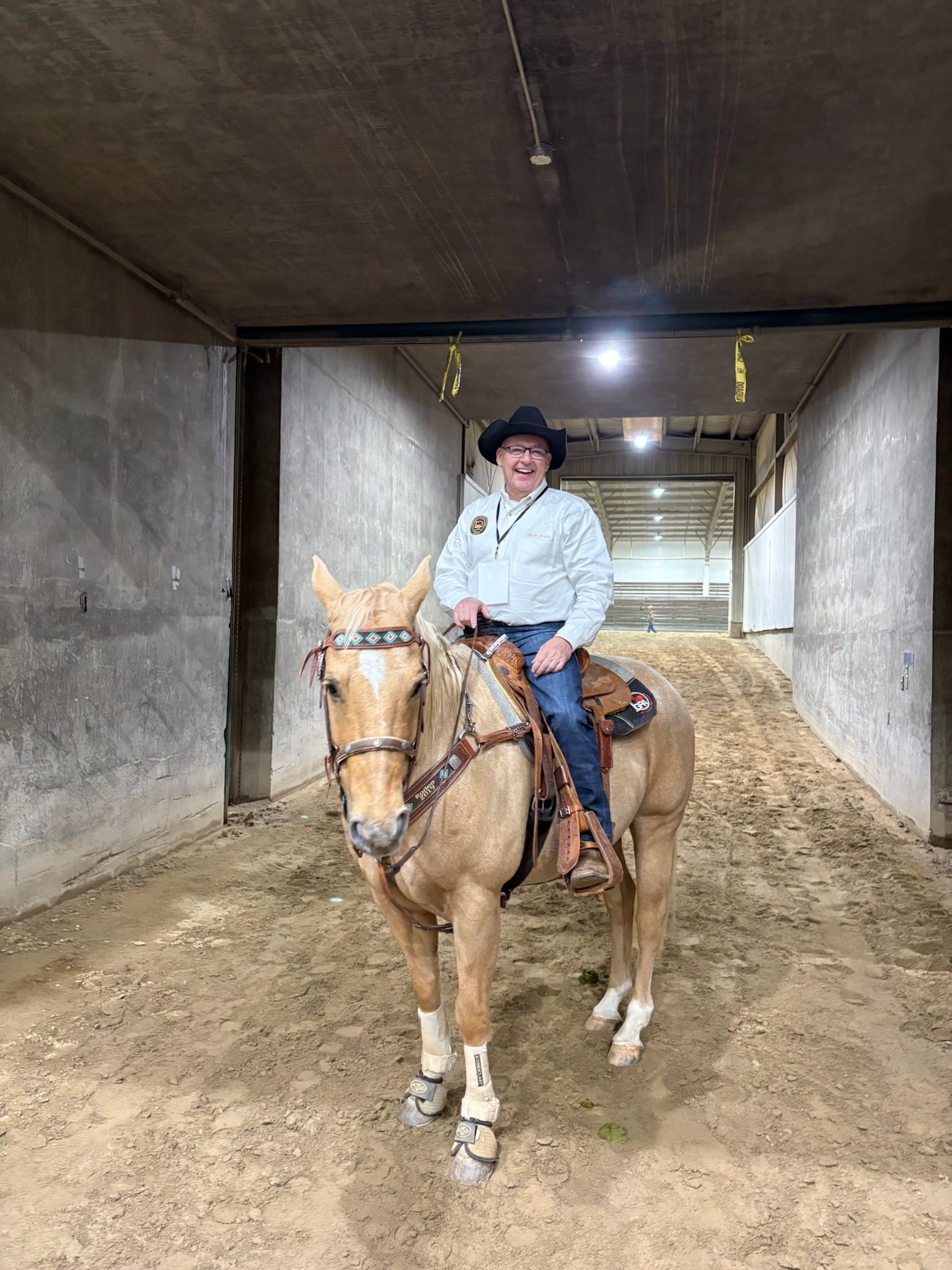
Mark Arnold is a first-generation immigrant whose journey is as unique and inspiring as the legacy he has created. He grew up in North Yorkshire, England, a world away from the dusty rodeo arenas of the American Southwest. Raised alongside his parents and eight siblings, Mark was shaped by the scent of heather and the wide-open moors. From a young age, Mark developed a deep connection to horses, riding in disciplines such as hunter-jumper and cross-country. He even worked at the racetrack, breezing thoroughbreds for pocket money. As a child, he loved watching Western movies and, in a detail that perhaps hinted at his future advocacy, always rooted for the Indians. In 1986, Mark moved to Albuquerque, New Mexico, where his love for rodeo truly began. His journey in the gay rodeo community officially started in 1988, when he became a competitor. Over a career spanning 10 to 15 years, Mark demonstrated incredible passion and versatility, participating in almost every event offered. His commitment to the sport extended far beyond his own performance. Mark volunteered tirelessly with the chute crew to help ensure every rodeo ran smoothly, exemplifying the teamwork and dedication essential to the success of gay rodeo. This work ethic and collaborative spirit would become hallmarks of everything Mark accomplished in the years to come.  A Legacy of Service to IGRA Throughout his years of service to the International Gay Rodeo Association, Mark Arnold has demonstrated an unwavering commitment to preserving, strengthening, and advancing IGRA’s mission and values. His dedication extends far beyond participation. He has consistently invested his time, talents, and vision to support the continued growth and sustainability of the organization and the community it serves. Mark has been a tireless advocate for fundraising and organizational development, advancing opportunities that support IGRA’s long-term success. Through his efforts, he has championed initiatives that provide financial stability and lay the foundation for future generations of members, leaders, competitors, volunteers, and supporters. His work reflects a deep understanding that preserving the legacy of IGRA and gay rodeo takes thoughtful planning, innovation, and a commitment to building a stronger future. Mark has also been a passionate ambassador for the diversity, equity, inclusion, fellowship, and community that define the International Gay Rodeo Association. His leadership and dedication embody the values on which IGRA was founded and have inspired countless individuals across the organization. As IGRA celebrates more than four decades of history and the sport of gay rodeo commemorates fifty years of tradition, honoring Mark Arnold as Grand Marshal of the 2026 World Gay Rodeo Finals recognizes an individual whose service honors the past, whose contributions have helped shape the present, and whose vision continues to influence the future. The role of Grand Marshal is reserved for those whose contributions have left a lasting impact on the organization and its community. Mark’s extraordinary dedication, leadership, fundraising efforts, and commitment to the future of the International Gay Rodeo Association make him exceptionally deserving of this distinguished honor. For these reasons, we wholeheartedly and enthusiastically present Mark Arnold as Grand Marshal of the 2026 International Gay Rodeo Association World Gay Rodeo Finals.
By Eric carlyle • August 6, 2026
Early Covers of Compete Sports Diversity and Sports Out Loud
By Eric Carlyle, SDLT • July 1, 2026
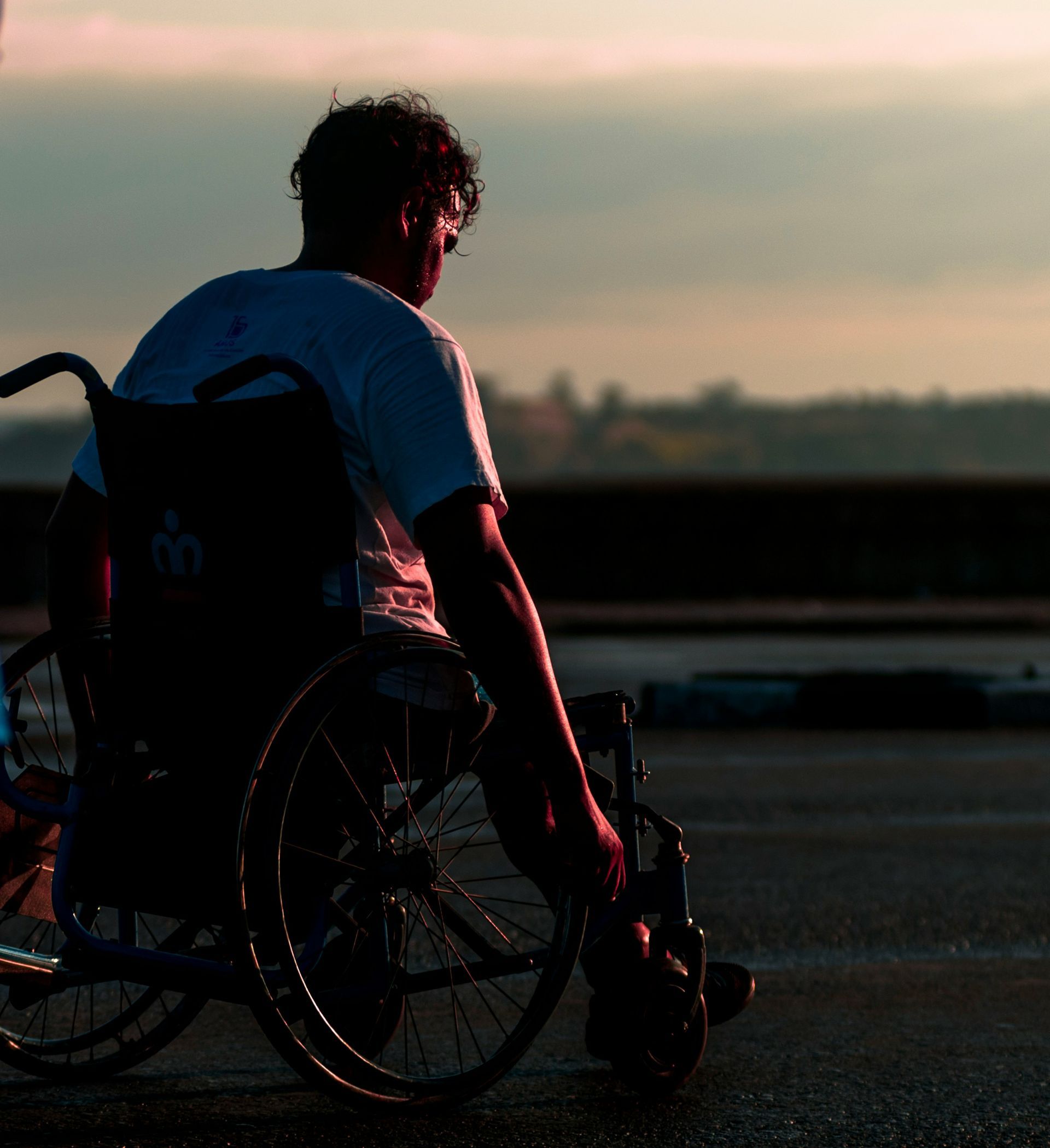
Every July, Disability Pride Month celebrates the history, achievements, and contributions of people with disabilities. It is a time to recognize that disability is a natural part of the human experience and to reaffirm that people with disabilities deserve to be seen, respected, included, and empowered. For much of my life, I never imagined I would write an article like this. When I first heard the phrase Disability Pride, I wasn’t sure it applied to me. I never thought about having pride in being disabled. In fact, I spent years trying to hide it. I live with progressive vision loss and a progressive nerve disease that affects my mobility, strength, balance, and perception. My disabilities aren’t always obvious. Most people don’t realize that I can’t lift my leg normally, have very little grip strength in my hands, struggle with balance, or that my eyesight continues to deteriorate. Like many people facing progressive disabilities, I focused on what I was losing instead of what was still possible. That was especially difficult because sports have always been part of who I am. Growing up, I played baseball and basketball. As an adult, I discovered rugby, soccer, and martial arts. Competition, teamwork, and challenging myself physically helped shape the person I became. When my body began changing, I didn’t just feel like I was losing mobility. I felt like I was losing part of my identity. Everything began to change about three years ago after a conversation with Marynka Rojas Gorgen of Paradragons USA. She didn’t ask me to focus on what I had lost. Instead, she encouraged me to focus on what I could still do. She encouraged me to try an adaptive sport. I started with adaptive yoga. That gave me the confidence to keep moving. From there, I began adaptive martial arts. Today, one of my goals is to play adaptive rugby. Looking back, adaptive sports didn’t simply give me another activity—they gave me a new perspective. Rather than waiting for my disabilities to become more limiting, I’ve decided to make the most of the abilities I have today. I’m doing everything I can through physical therapy, exercise, and staying active to slow the progression of my conditions. While I can’t control everything that happens to my body, I can control how I choose to respond. One of the greatest lessons I’ve learned is that every disability journey is different. Some disabilities are visible. Others are invisible. Some people are born with disabilities. Others acquire them later in life. Some conditions remain stable, while others continue to progress, like mine. There is no single disability experience. Even within the adaptive sports community, my disability isn’t always obvious. But that doesn’t make it any less real. My journey is different from someone else’s, and that’s okay. One thing that has surprised me on this journey is that some of the greatest resistance I’ve encountered has come from able-bodied adaptive sports specialists. At times, I’ve been left with the impression that because I’m relatively new to adaptive sports, I’m not qualified to share my own story. The truth is, I have a tremendous amount to learn. I look forward to learning from adaptive athletes, coaches, organizations, and adaptive sports specialists every day. But no one knows my journey better than I do. I don’t claim to represent every person with a disability because I can’t. Every disability journey is unique. I simply hope my story adds another voice to the conversation. My journey matters just as much as anyone else’s. I’m also proud that Compete Sports Network has been an early leader in telling the stories of adaptive athletes. Long before adaptive sports became personal for me, Compete recognized that adaptive athletes deserved the same visibility and recognition as every other athlete. In 2015, we featured an adaptive athlete on the cover of Compete magazine. Since then, we’ve covered countless adaptive sporting events, highlighted inspiring athletes and organizations, and maintained an editorial commitment to featuring adaptive sports year-round. I even had the opportunity to experience wheelchair rugby—often called “Murderball”—which gave me an even greater appreciation for the athleticism, strategy, and determination of adaptive athletes. Today, that commitment has become deeply personal. Our mission is Sports For All™. To me, those three words mean exactly what they say. Sports For All™ means creating opportunities for everyone to participate, regardless of ability or disability. It means recognizing that adaptive athletes are athletes. It means making sure everyone has the opportunity to compete, belong, and experience the life-changing power of sports. My journey isn’t just about me. I hope that by sharing my story, someone who is struggling with a diagnosis, adapting to a changing body, or wondering whether they still belong in sports will realize they are not alone. Every day, I am inspired by athletes, coaches, volunteers, organizations, and advocates throughout the adaptive sports community. Their determination, resilience, and passion continue to motivate me. I hope that, in some small way, my story inspires others as well. Today, Disability Pride means something very different to me than it once did. It isn’t about celebrating the challenges that come with disability. It isn’t about pretending the difficult days don’t exist. For me, Disability Pride is about accepting that my disability is part of my life—but it does not define my future. It means embracing new opportunities, continuing to compete, and helping create opportunities for others. As you read this story, you may notice that the accompanying photograph was taken years ago, before my disabilities became part of my daily life. Like many people with progressive disabilities, I stopped enjoying having my picture taken because I found myself comparing who I was with who I thought I should still be. Writing this article has made me realize something. Maybe it’s time for a new photograph. Not because my disabilities have disappeared—they haven’t. But because they are part of my story, and they’re nothing to hide anymore. That’s my journey.  And that’s why I’m proud to celebrate Disability Pride Month.
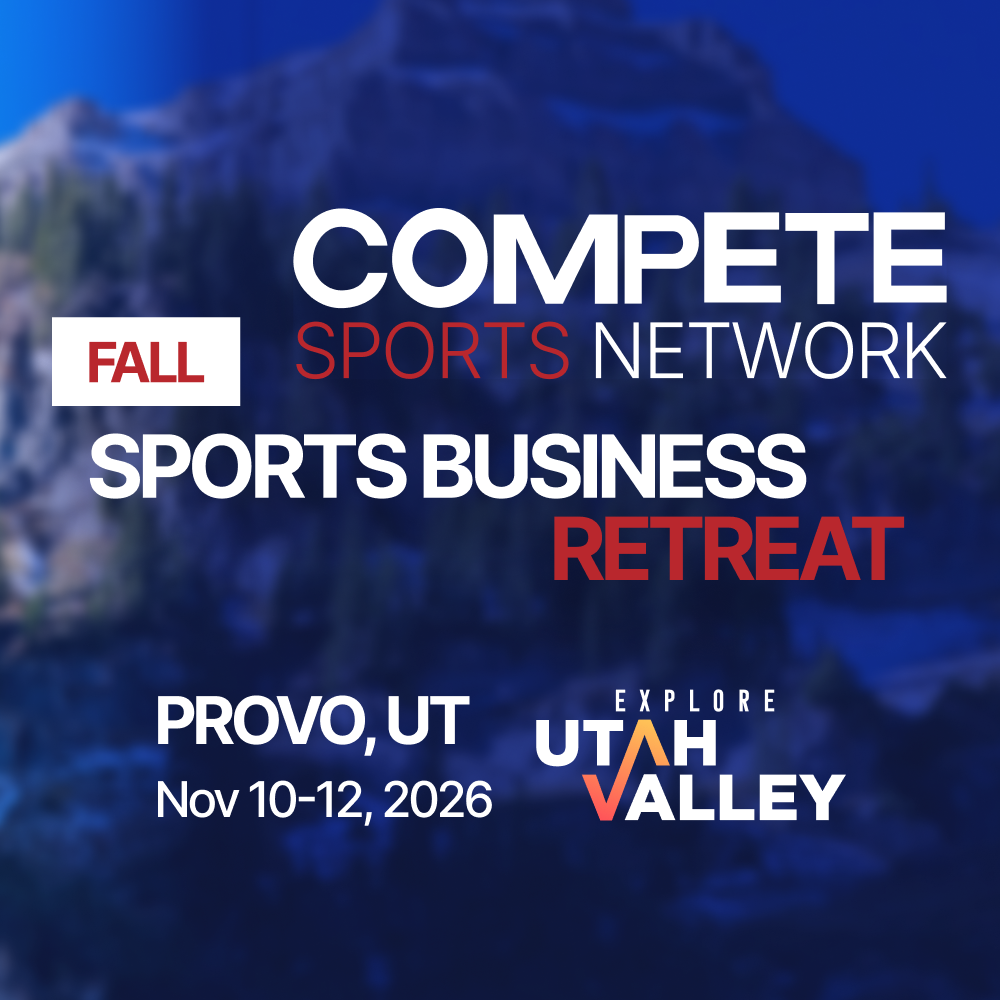
Compete Fall Sports Business Retreat
By Nate James, SDL • May 12, 2026
Discover how the Compete Fall Sports Business Retreat 2026 in Utah Valley is creating meaningful networking, sports tourism partnerships, and business opportunities through an intimate, high-impact industry experience.
By Compete Staff Writer • May 8, 2026
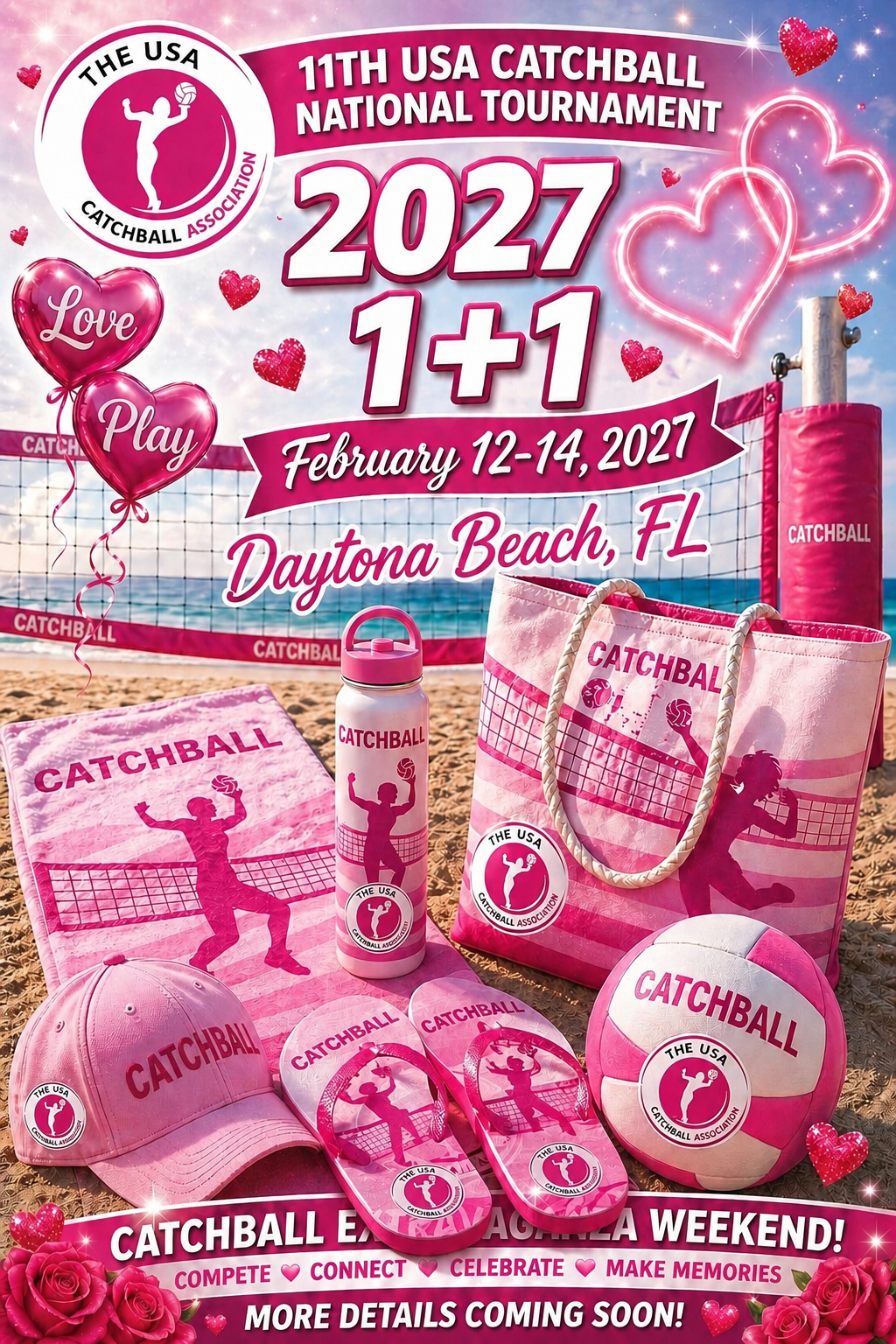
The selection of a host destination is one of the most important decisions a sports organization can make. A successful partnership between an event and a destination has the potential to create long term value for athletes, organizers, local communities, and tourism partners alike. That process often begins long before contracts are signed or venues are selected. In many cases, it starts with conversations, introductions, and relationships that help organizers and destinations find the right alignment. USA Catchball’s decision to bring its 2027 championship event to Daytona Beach is an example of how those partnerships can take shape through meaningful industry connections. The growing women’s sport continues to build momentum across the United States, bringing together athletes and communities through competition, teamwork, and shared experience. As the organization looked toward future growth opportunities, finding a destination that aligned with its goals and audience became an important part of the process. The connection between USA Catchball and Daytona Beach happened through Compete. What began as an introduction developed into a partnership centered around shared vision, destination support, and the opportunity to create an impactful championship experience for athletes and attendees. The result is an event that will bring visitors, activity, and community engagement into the destination while continuing to support the growth of catchball nationwide. Stories like this reflect an important part of the sports tourism industry that is not always visible from the outside. Behind many successful tournaments and championship events is a network of conversations, collaboration, and trust between organizers and destinations. Sports organizations are looking for cities that understand their audience, support their event goals, and provide an environment where their event can succeed. Destinations are looking for events that create meaningful tourism impact, align with their community, and contribute to long term growth strategies. Creating those connections is one of the reasons the Compete Summer Conference in Corpus Christi exists. The conference brings together sports organizers, destinations, sports commissions, and industry partners in an environment focused on relationship building and collaboration. More than a traditional networking event, the conference is designed to create meaningful conversations that can lead to partnerships and future opportunities for everyone involved. For sports organizers, the conference creates direct access to destinations and partners who are actively looking to host and support events. Face to face conversations allow organizers to discuss the vision behind their event, the needs of their athletes and attendees, and the type of destination partnership that will help their event grow. Those conversations create a level of understanding and alignment that is difficult to replicate through emails or cold outreach alone. For destinations, the conference provides an opportunity to meet directly with organizations that are shaping the future of sports tourism. Instead of evaluating events from a distance, destinations can better understand the communities behind the sports, the audiences they attract, and the long term opportunities they can create within a city. These conversations help destinations identify partnerships that align with their tourism goals and community priorities. The partnership between USA Catchball and Daytona Beach reflects what can happen when organizers and destinations are brought together in the right environment. It demonstrates how sports tourism growth is often driven not only by marketing or logistics, but by relationships that create trust, alignment, and shared opportunity. Once those relationships are established, partnerships have the potential to grow into successful events that benefit everyone involved. As catchball continues to grow throughout the United States, partnerships like this help create new opportunities for athletes, communities, and destinations alike. The selection of Daytona Beach for the 2027 championship event represents more than a location announcement. It represents the type of collaboration that helps sports organizations continue to expand their reach while creating memorable experiences for participants and host communities. The Compete Summer Conference exists to help create more of those opportunities by bringing the right people into the same room and supporting the conversations that move sports tourism forward.
Veteran Adaptive Sports
By Compete Staff Writer • April 28, 2026
VA Adaptive Sports Grant Program 2026 supports adaptive sports for disabled Veterans. Funding for nonprofits, training, equipment, and competition. Apply now.
By Compete Staff Writer • March 2, 2026
In today’s competitive sports tourism environment, winning a bid increasingly requires more than venue availability and hotel capacity. Rights holders are placing greater emphasis on alignment: alignment between event mission and destination identity, between community culture and athlete experience and between operational capability and long-term impact. While infrastructure remains foundational, industry observers note a broader evolution: destinations that articulate who they are, and demonstrate how that identity enhances the event, are distinguishing themselves in crowded bid fields. Three destinations illustrate how this shift is playing out across very different tiers of sport: Greensboro, North Carolina, host of the 2026 Lewis–Bethel Invitational Buffalo, New York, host of the NHL Draft Tucson, Arizona, host of ASANA in partnership with Tucson Inferno Pride Each represents a different event scale and audience. Yet all three reflect a common strategic principle: identity is not supplemental to the bid, it is central to it.
By Nate James, SDL • February 10, 2026
The Sunshine Cup returns to South Florida this weekend, marking its 15th year as one of the longest-running and most respected LGBTQ+ flag football tournaments in the country. Held over Presidents Day Weekend, February 14–15, the event brings teams, fans, and visitors to Fort Lauderdale, where competitive sport, community, and tourism intersect. Games will take place at Central Broward Park & Broward County Stadium, drawing athletes from across the region for a full weekend of fast-paced flag football. Featuring multiple divisions and a packed schedule, the Sunshine Cup delivers high-level competition while maintaining the inclusive, welcoming atmosphere that has defined the tournament since its earliest years. Over the past decade and a half, the Sunshine Cup has evolved into far more than a sporting event. It has become a reliable driver of sports tourism, generating substantial hotel room nights and direct economic impact for the Fort Lauderdale business community. Teams and spectators traveling from outside the area contribute to increased demand for hotels, restaurants, transportation services, retail, and local entertainment venues throughout the weekend. For Florida tourism, the Sunshine Cup highlights the state’s growing reputation as a destination for inclusive sporting events. Many participants extend their stays beyond the tournament, further amplifying the economic benefit while experiencing South Florida’s beaches, dining, nightlife, and cultural attractions. This combination of athletic competition and destination appeal makes the Sunshine Cup a valuable asset for the local economy. On the field, the action is expected to be intense, with experienced teams and emerging programs competing for Sunshine Cup titles. The level of play continues to rise each year, reflecting the broader growth of LGBTQ+ flag football nationwide and the role tournaments like the Sunshine Cup play in elevating the sport. Off the field, the tournament remains a cornerstone of community connection. For many athletes, the Sunshine Cup offers a space to compete openly and authentically, fostering camaraderie and confidence that extends well beyond the final whistle. That sense of belonging is a key reason the event has endured for 15 years and continues to attract new teams and returning participants alike. As the Sunshine Cup celebrates this milestone year, it stands as a model for how inclusive sports can succeed long-term—delivering competitive excellence, strengthening community ties, and producing meaningful economic benefits for host cities. When the final games conclude on Sunday, champions will be crowned. But the broader impact will be felt throughout Fort Lauderdale, where the Sunshine Cup once again demonstrates the power of sports to bring people together while supporting local businesses and tourism.
By Kimberly Dawes, SDL • February 4, 2026
National Girls and Women in Sports Day is an opportunity not just to celebrate progress, but to recognize the individuals and organizations who have worked—often quietly and persistently—to expand access, visibility, and opportunity for women in sports. At Compete Sports Network, this day holds particular meaning. Since our founding in 2006, our work has been shaped and strengthened by women who believed in the power of sport as a platform for leadership, equity, and community long before it was widely embraced. From the beginning, Compete benefited from the guidance and support of iconic women who helped define what inclusive sports leadership could look like. Trailblazers such as coach and sports advocate Helen Carroll, college basketball legend Dora Dome, and sports author and columnist Patricia Nell Warren lent not only their names, but their voices, credibility, and lived experience to our early work. Their influence helped establish Compete as an organization committed to representation, opportunity, and long-term impact. Over the years, we have continued to collaborate with women leaders across a wide range of sports and disciplines. These include Judith Dea, President of USA Korfball; Andrea Snead of the United States Tennis Association; and tennis icon Billie Jean King, whose lifelong advocacy for equality has reshaped the global sports landscape. Each partnership reinforced the importance of leadership that is principled, persistent, and inclusive. Within our own organization, women have played central roles in shaping Compete’s editorial voice and strategic direction. Although our Editor Emerita, Connie Wardman, retired last year after nearly two decades in sports media, her influence continues. She remains a trusted mentor and advisor to our team, offering guidance that reflects both experience and a deep commitment to elevating underrepresented stories in sport. We are also proud of our partnership with the Lynn Lewis Foundation, with whom Compete co-founded the Compete Women’s Sports Council. This collaborative initiative was created to bring together leaders across sports, tourism, and business to develop sustainable opportunities for women’s athletics. The Council is currently working on the development of a women-focused sports tournament in Florida, designed to spotlight women athletes while creating meaningful economic and community impact. Beyond athletes and media leaders, women are also driving change in sports tourism and event leadership—an often overlooked but critical sector of the industry. Professionals such as Nicole Goddeyne of Northstar Meetings Group and Breanna Martinez of Corpus Christi Sports Tourism work tirelessly to host women-led events, support emerging leaders, and create pathways for women to thrive behind the scenes. Their work ensures that women are not only competing on the field, but shaping the infrastructure that supports sport itself. We are also deeply grateful for our partnerships with organizations dedicated to advancing women in sport, including USA Catchball and the Black Volleyball Circuit. Each of these organizations plays a vital role in fostering participation, leadership development, and community for women and girls at every level. While it is impossible to name every remarkable woman who has influenced our journey, we want to acknowledge the countless athletes, administrators, coaches, volunteers, executives, and advocates whose impact may not always be visible, but is deeply felt. Their dedication—often behind the scenes—has helped move women’s sports forward in ways both large and small.  National Girls and Women in Sports Day reminds us that progress is rarely the result of a single moment. It is built by trailblazers, mentors, advocates, and organizers who show up year after year to push the industry forward. At Compete Sports Network, we are honored to stand alongside these leaders—and committed to continuing the work they helped inspire.
By Kimberly Dawes, SDL • February 2, 2026
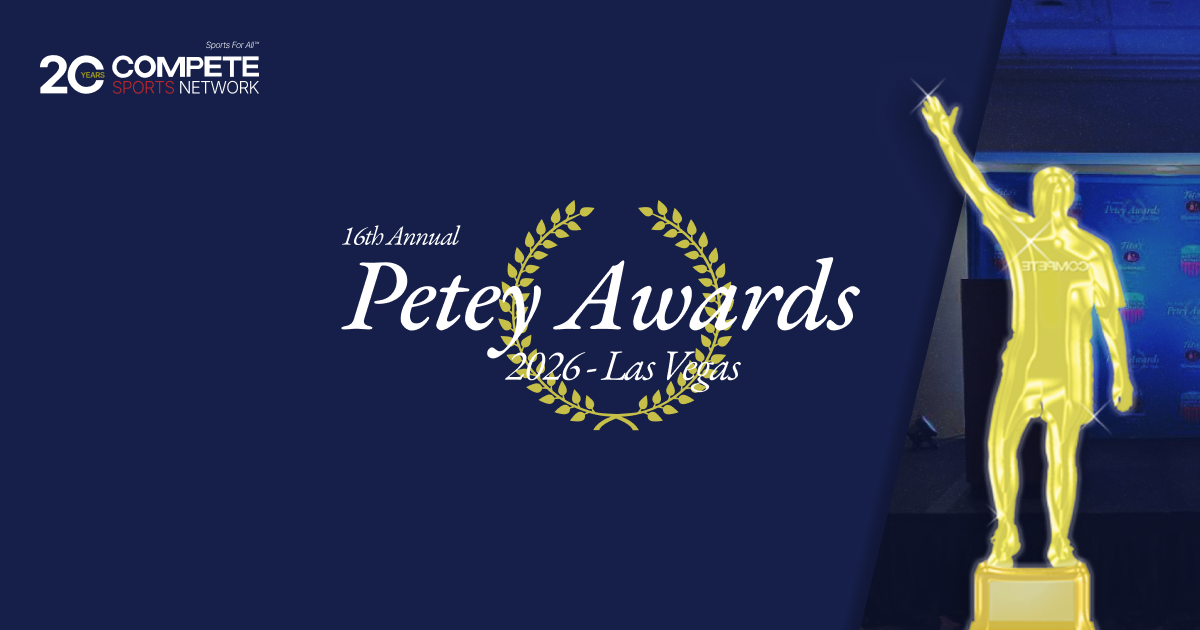
Theater has the Tonys. TV has the Emmys. Film has the Oscars. And now, Sports For All™ has the Petey Awards™. On January 15th, the glamour and excitement of awards season came to the world of sports as athletes, fans, and organizations gathered at the iconic Flamingo Las Vegas to celebrate the very best in welcoming sports. The festivities were part of the annual Sin City Classic Sports Festival, and the energy in the room made it clear — this is an event that's quickly becoming one of the most anticipated nights on the sports calendar. Hosted by the charismatic Rob Tanis-Evon, the evening was a celebration of the people and organizations quietly — and not so quietly — making a difference in sports communities across the country. The night kicked off with Visit Greater Palm Springs taking home the prestigious Event of the Year Award, recognizing the city's outstanding commitment to hosting world-class sporting events. Kevin McReynolds, Jr. was honored with the Community All-Star Award, a testament to his dedication to giving back. The Rise and Dream Foundation earned the Beacon Award, shining a light on their inspiring mission to uplift communities through sport. The Sports Tourism MVP award saw triple the recognition this year, with Mallory Williams, Nicole Goddeyne, and Brandon Benson each earning the honor for their remarkable contributions to bringing sporting events — and the economic and cultural boost that comes with them — to their communities. IMG took home the Corporate Partner Award, while the Buffalo Sports Commission and Visit Fort Wayne were celebrated as the Welcoming and Emerging Sports Destinations of the year, respectively — a sign that welcoming sports tourism is only going to keep growing.  Stephanie Maes was recognized as the Women Sports Champion, and Jordan Cannon earned the Pro Athlete Award, celebrating athletic excellence and leadership on and off the field. Rigo Cortez was honored with the Sin City Volunteer Award, a nod to the unsung heroes who make events like these possible behind the scenes.